




Moving your business to the cloud comes with plenty of benefits. Your team can work from pretty much anywhere, files are easier to share, and you no longer have to rely on physical servers for everything. However, maintaining strong cloud security is essential, as cloud technology also brings security challenges that you can’t afford to ignore.
Just because your data is stored in the cloud doesn’t automatically mean it’s safe. Cybercriminals are constantly looking for weaknesses, and even a small oversight could leave your business exposed. So, how confident are you that your company’s cloud security is actually doing its job?
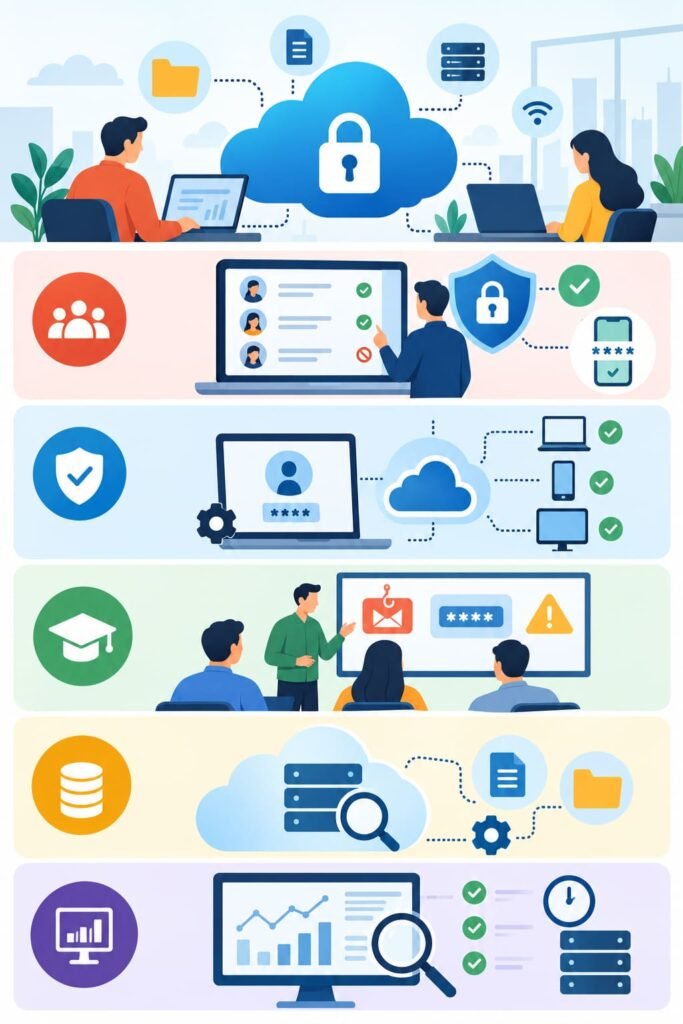
Are You Controlling Who Can Access Your Data?
One of the biggest cloud security risks comes down to something surprisingly simple: who has access to what? When employees can access sensitive information, they don’t need, or former staff members still have active accounts, you’re creating unnecessary opportunities for security breaches.
Take a look at your current access permissions. Ideally, employees should only be able to access the systems and information they need for their roles. It’s also worth reviewing permissions regularly, particularly when people change departments or leave your company.
Introducing multifactor authentication adds another layer of protection, making it harder for unauthorized users to gain access even if they manage to steal someone’s login credentials.
Are You Taking a Zero Trust Approach?
Gone are the days when you could assume that anyone connected to your company network was trustworthy. With employees accessing cloud applications from different locations and devices, traditional security measures aren’t always enough.
That’s why more businesses are adopting a Zero Trust approach, which involves continuously verifying users and devices rather than automatically granting access.
Solutions such as SonicWall Cloud Secure Edge can help businesses strengthen their cloud security by providing Zero Trust Network Access and secure connections to private and internet resources. This gives you greater control over who can access your systems, regardless of where they’re working.
Are Your Employees Making Security Mistakes?
You could invest in the most sophisticated cybersecurity technology available, but if your employees aren’t following basic security practices, your business could still be vulnerable.
Think about how your team works every day. Are people using weak passwords, clicking suspicious links, or accessing company information through unsecured networks? These habits might seem harmless, but they can create serious problems.
Regular cybersecurity training can make a difference. Help employees recognize phishing attempts, understand why multifactor authentication matters, and know what to do if something doesn’t look right.
Creating an environment where people feel comfortable reporting mistakes is equally important. Rather than treating training as a once-a-year exercise, make it an ongoing conversation so that good security habits become part of everyone’s working routine.
Do You Know Where Your Cloud Data Is Stored?
As your company grows, it’s easy to lose track of how many cloud applications your team actually uses. Different departments might have their preferred platforms, and employees could even be signing up for tools without involving your IT team.
Unfortunately, this can leave you with sensitive information scattered across services you aren’t properly monitoring.
Carry out regular audits of your cloud applications and establish clear rules about which services employees can use. You should also check how providers handle data protection, backups, and access controls.
Are You Monitoring Your Cloud Environment?
Cloud security isn’t something you can set up once and forget about. New threats emerge, employees come and go, and your business’s technology requirements constantly change.
Regular monitoring can help you spot unusual activity before it develops into something more serious. It’s also important to keep software updated, review security settings, and test your incident response procedures.
Strong cloud security comes down to staying proactive. By regularly checking your systems, addressing weaknesses, and making sure your employees understand their responsibilities, you can enjoy the benefits of cloud technology without exposing your business to unnecessary risks.
Also read: