

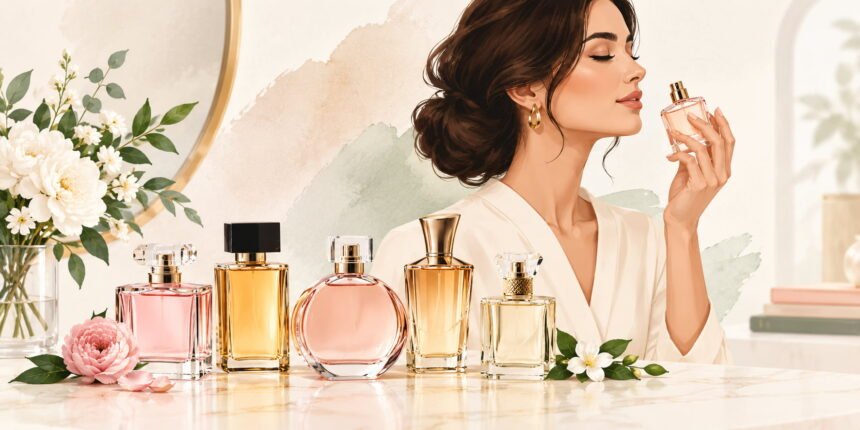
Choosing a perfume brand can be almost as important as choosing an individual fragrance. Different houses approach women’s perfume in different ways. Some focus on easy-to-wear, fashion-led scents, while others build their identity around florals, woods, musk, amber, spices or richer compositions. Price, bottle design, concentration, variety, performance and scent development can also vary from one brand to another. The goal is not to find one universally superior brand, but to identify the houses that repeatedly create fragrances that match your taste.
How to Choose the Best Women’s Perfume Brand
A good perfume brand should offer more than attractive packaging or one famous fragrance. Consistency matters because if several perfumes from the same house share qualities you enjoy, exploring the rest of the collection becomes easier. Some brands may be strong in fresh florals and clean musk, while others may focus more on vanilla, amber, woods or spicy compositions.
Comparing the best women’s perfumes across different brands can help you recognise patterns in fragrance family, intensity, price and overall style. Start with scents you already enjoy. If you repeatedly choose floral, vanilla, citrus, musk, woody or amber fragrances, look for brands that offer several perfumes in those directions rather than choosing only by reputation.
Women’s Perfume Families Worth Exploring
Understanding fragrance families makes brand comparison easier. Floral perfume can range from airy rose and jasmine to creamy, powdery or amber-rich compositions. Fruity fragrances may combine pear, peach, berries, apple or tropical fruits with flowers, musk, vanilla or woods. Powdery perfumes often use iris, violet, musk or heliotrope for a soft texture.
Sweet fragrances may use vanilla, caramel, praline, honey or sweet flowers, while woody perfumes can feature cedar, sandalwood, vetiver, oud and modern woody accords. Knowing whether you prefer fresh, creamy, sweet, dry, musky or warm interpretations helps you identify the brands most likely to suit you.
Zara Perfumes for Women and Fashion-Led Fragrance Styles
Fashion-led perfume brands can be useful for people who enjoy variety and changing fragrance trends. Their collections may move between fresh florals, fruity scents, gourmands, clean musk, amber and woods rather than following one narrow identity. This makes them practical for building a fragrance wardrobe for different moods and occasions.
Zara perfumes for women are a good example of this broad approach. The collection can include fresh, floral, fruity, sweet, woody and warmer styles, allowing someone to choose a lighter everyday perfume and a richer fragrance for evenings or special occasions. This variety can appeal to wearers who think of perfume like clothing, with different scents serving different parts of personal style.
Rasasi Perfumes for Women and Richer Fragrance Styles
Some wearers prefer greater depth, stronger bases and more noticeable development. Woods, amber, oud, spices, musk and richer florals can create a more substantial fragrance profile. Dedicated fragrance houses can be interesting here because perfume is central to their identity, so they may explore more scent structures, concentrations and levels of intensity.
Rasasi perfumes for women can include floral, woody, musky, aromatic and richer scent directions. This gives wearers a way to explore both easier everyday fragrances and compositions with more depth or presence. The point is not that a fragrance-focused house is automatically better than a fashion brand, but that the two approaches offer different ways to discover women’s perfume.
Should You Choose Perfume by Brand or by Notes?
Start with notes and fragrance family, then use the brand to narrow your options. This order helps prevent brand recognition from overriding personal preference. Someone who enjoys vanilla and woods can search for houses that repeatedly use those materials, while a person who prefers fresh florals can focus on brands with lighter floral and musky compositions.
Brand reputation is useful for discovery, but it cannot predict whether you will enjoy a fragrance. A famous floral perfume is still the wrong choice for someone who dislikes floral scents, while a less familiar brand may create exactly the woody or musky fragrance that person wants.
Women’s Perfume Brands for Everyday and Evening Wear
Everyday fragrance usually benefits from comfort and versatility. Fresh florals, citrus, clean musk, aromatics and balanced woods can work well because they create character without becoming overwhelming. Moderate projection is often practical, and the dry-down should remain pleasant after several hours.
Evening perfume can allow more warmth and depth. Amber, vanilla, musk, spices, woods and richer florals can create a stronger atmosphere. However, evening fragrance does not need extreme projection. A smooth floral-woody perfume may feel more elegant than a very loud gourmand.
How to Compare Women’s Perfume Brands
Compare brands using the factors that affect the real wearing experience. Look at the fragrance families they offer, how sweet or fresh their perfumes tend to be, projection, dry-down, bottle sizes and price range. Variety also matters. A broad collection may suit someone who enjoys changing fragrance often, while a focused house may appeal to someone searching for a specific scent identity.
Price should not be treated as a quality score. Higher prices can reflect ingredients, packaging, marketing and brand positioning, while accessible fragrances can still smell balanced and perform well. A fragrance you wear regularly can offer better value than a cheaper bottle that remains unused.
How to Test a New Women’s Perfume Brand
Do not test an entire brand at once. Choose a small number of perfumes from different fragrance families and begin on paper. Remove the scents whose general direction does not interest you, then test the strongest candidates on skin. Give each perfume enough time for the opening to fade and the heart and base to develop.
Which Perfume Brands Are Worth Exploring for Women?
The most worthwhile brands are the ones that align with your fragrance preferences, lifestyle and budget. Fashion-led collections can offer variety and contemporary scent directions, while fragrance-focused houses may provide different approaches to florals, woods, musk, amber and richer compositions. Neither style is universally better.
Compare brands, but let fragrance family, comfort, performance and personal taste decide.
Similar posts