


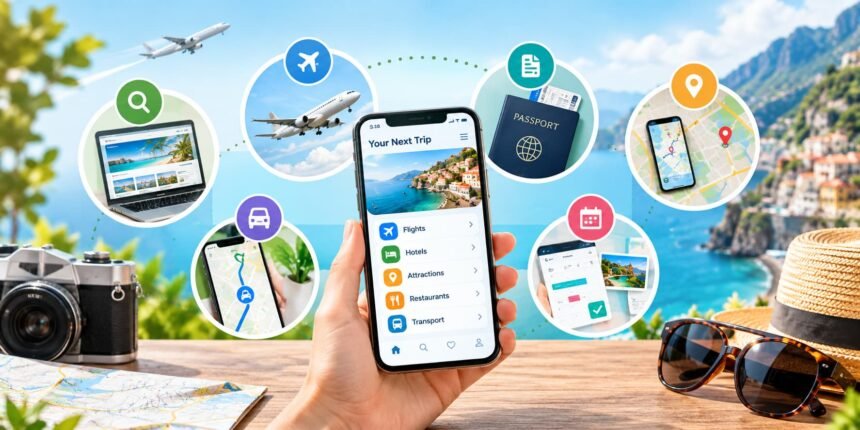
Back in the day, planning a vacation involved guidebooks, phone calls, printed maps, and plenty of guesswork. Today, much of that process can be handled from your phone in a matter of minutes. Technology has made it easier to compare options, organize important information, solve problems quickly, and feel more confident about your travel plans before you even leave home.
Finding The Right Destination Is Simpler
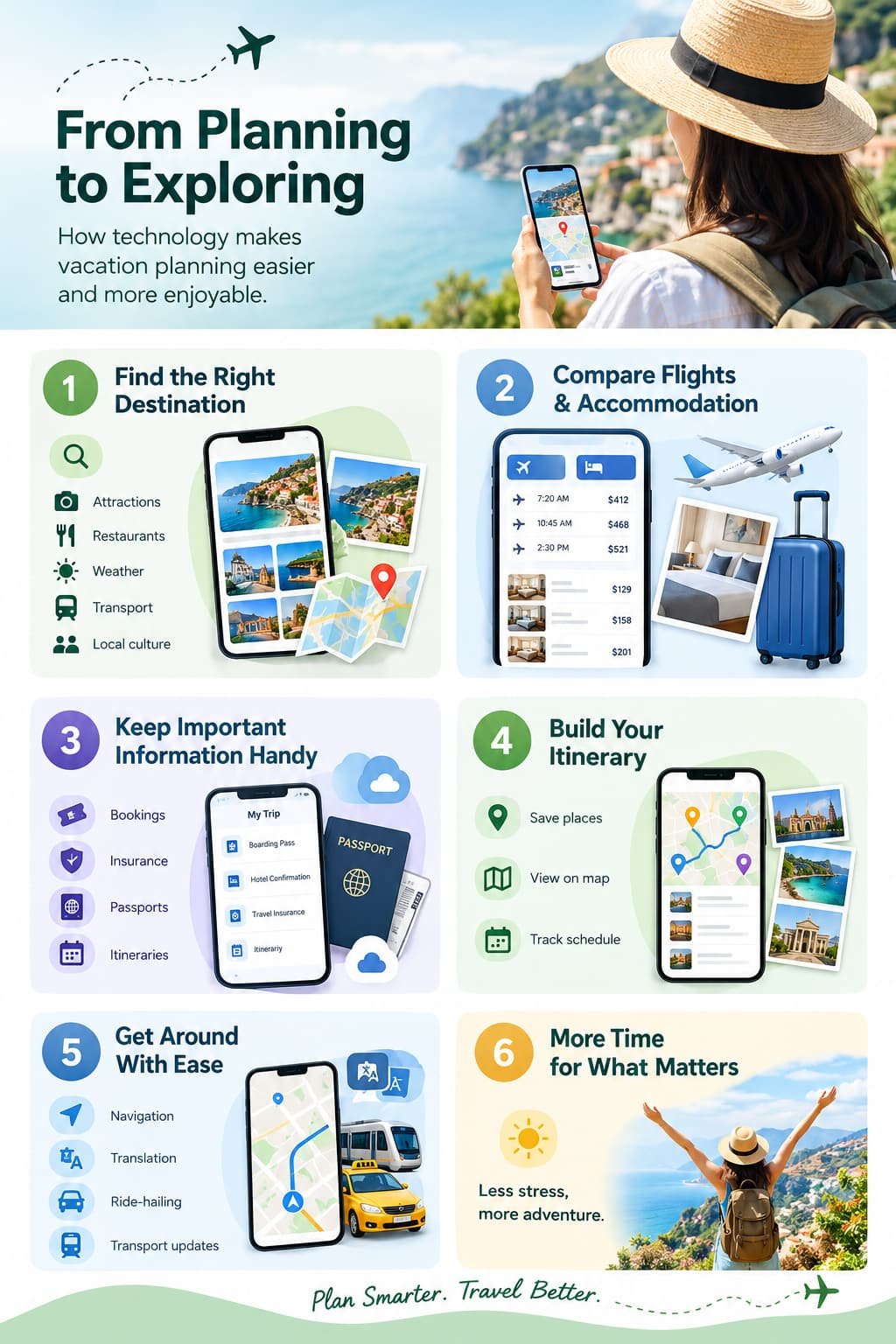
One of the biggest advantages of technology is the amount of information available at your fingertips. Travel blogs, social media, review platforms, and video content can help you get a much clearer idea of what a destination is actually like.
Instead of choosing somewhere based on a few photos in a brochure, you can research neighborhoods, attractions, restaurants, weather, transport options, and even local customs before booking. This makes it much easier to find a destination that genuinely suits the type of trip you want.
Comparing Flights and Accommodation Takes Minutes
Searching for flights and hotels is also far more straightforward than it once was. Comparison websites and booking apps allow you to view prices from multiple providers, experiment with different dates, and filter results according to your priorities.
Whether you care most about price, flight duration, hotel location, or cancellation flexibility, you can quickly narrow down your options. Price alerts can even notify you when fares change, meaning you do not have to repeatedly check the same routes yourself.
Important Travel Information Is Easier To Manage
Technology has also simplified the less exciting side of vacation planning. Digital wallets, cloud storage, and travel apps make it easier to keep booking confirmations, insurance documents, boarding passes, and itineraries together.
It is also much easier to deal with unexpected document problems before traveling. For example, if you discover that your passport has been damaged shortly before an international trip, online services can help you replace your damaged passport without spending hours stressing about it.
Keeping digital copies of important documents can also give you an extra layer of reassurance if paperwork gets misplaced while you are away.
Building An Itinerary Is More Convenient
Vacation planning apps have made creating an itinerary much easier, helping travelers organize their plans in one place. You can save restaurants, attractions, museums, beaches, and other places you want to visit, then view them together on a map. This makes it easier to plan a practical route and group activities by location instead of wasting valuable vacation time traveling back and forth across a city.
Many apps also let you add notes, check opening hours, and share your itinerary with travel companions. Calendar apps can help you keep track of hotel check-ins, restaurant reservations, flight details, tickets, and timed entry slots.
With reminders and notifications, you are less likely to miss important bookings or forget scheduled activities. These digital tools also make it easier to adjust your plans if the weather changes, a venue closes, or you discover an interesting place along the way.
Getting Around Is Less Stressful
Once you arrive, your phone can continue doing much of the hard work. Navigation apps provide walking, driving, and public transportation directions, while translation tools can make communicating in another language easier.
Ride-hailing apps, digital train tickets, mobile boarding passes, and real-time transport updates can all remove some of the uncertainty that once came with visiting somewhere unfamiliar.
Technology Lets You Focus More on the Trip
Ultimately, technology has not removed every possible travel headache, but it has made planning far more manageable. With information, bookings, documents, maps, and reservations all accessible in one place, you can spend less time worrying about logistics and more time looking forward to the vacation itself.